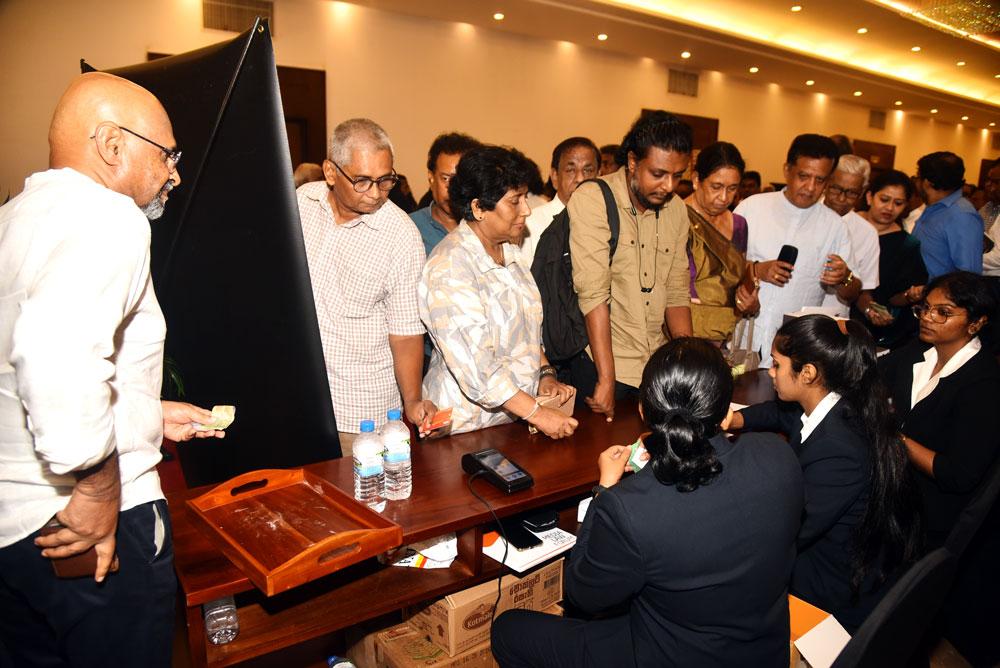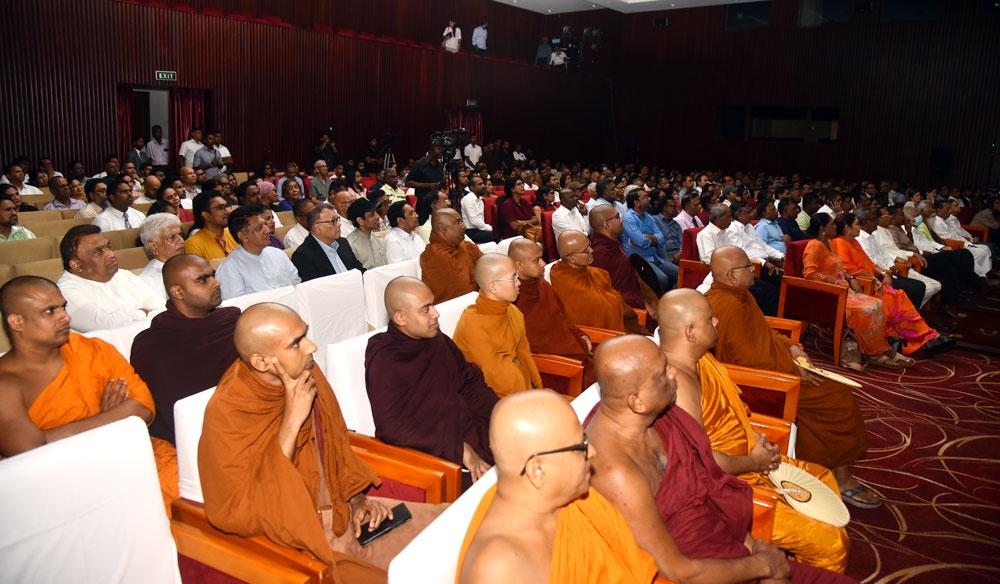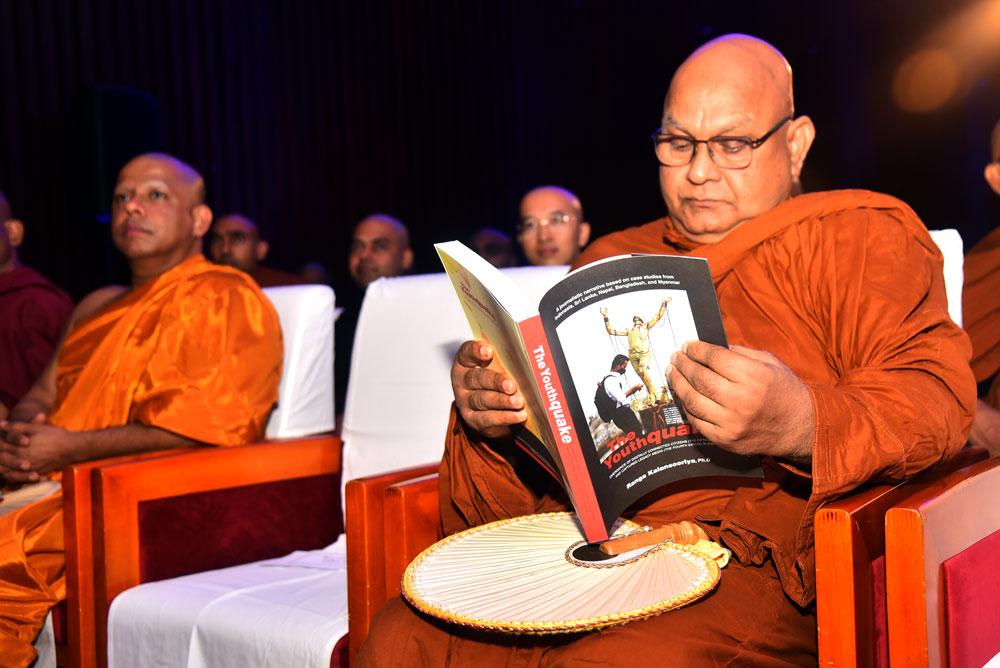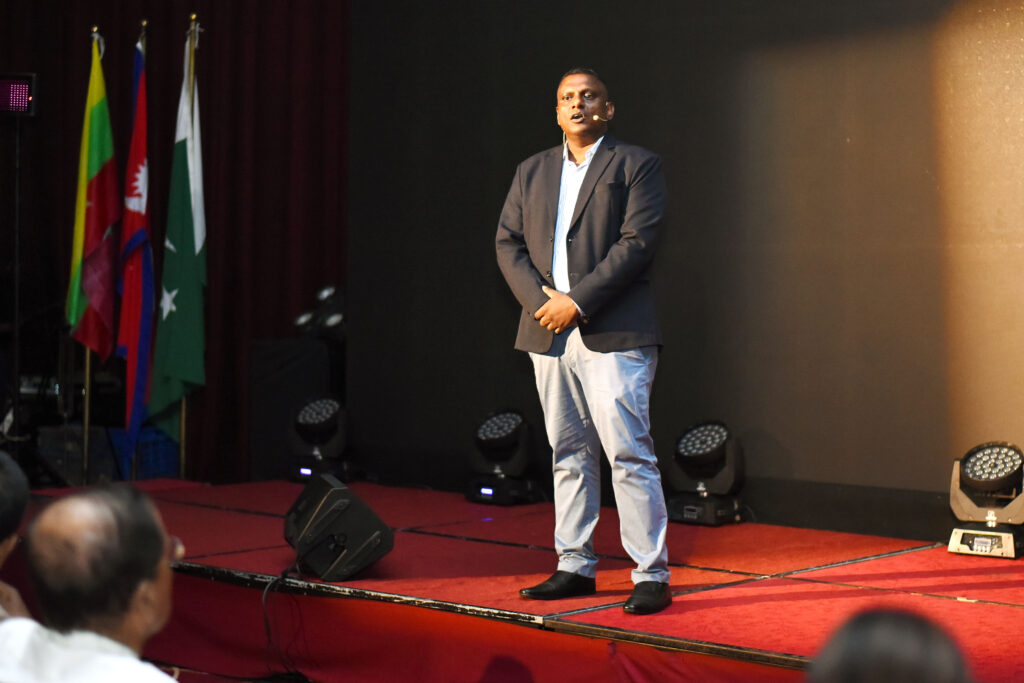


Dr. Ranga Kalansooriya’s latest book, The Youthquake: Emergence of the Fifth Estate vs The Captured Fourth in Asia, was launched on September 7, 2026, at the Bandaranaike Memorial International Conference Hall (BMICH) in Colombo.
The book, co-authored by Eva Danayanti, Mandana Ismail Abewickrema, Nazia Afrin Monami, Sonia Awale and Betty Han, is based on experiences in Sri Lanka, Bangladesh, Nepal, Myanmar and Indonesia and examines the political and communication dimensions of youth protests across Asia.
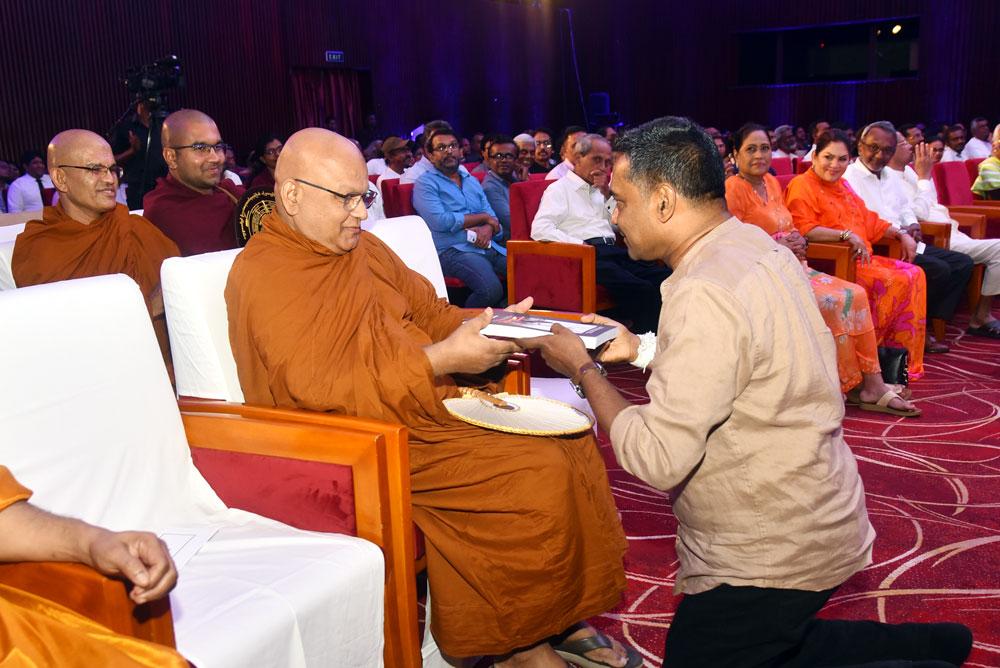
The first copy of the book was presented to Venerable Thrikunamale Ananda Maha Nayaka Thero.
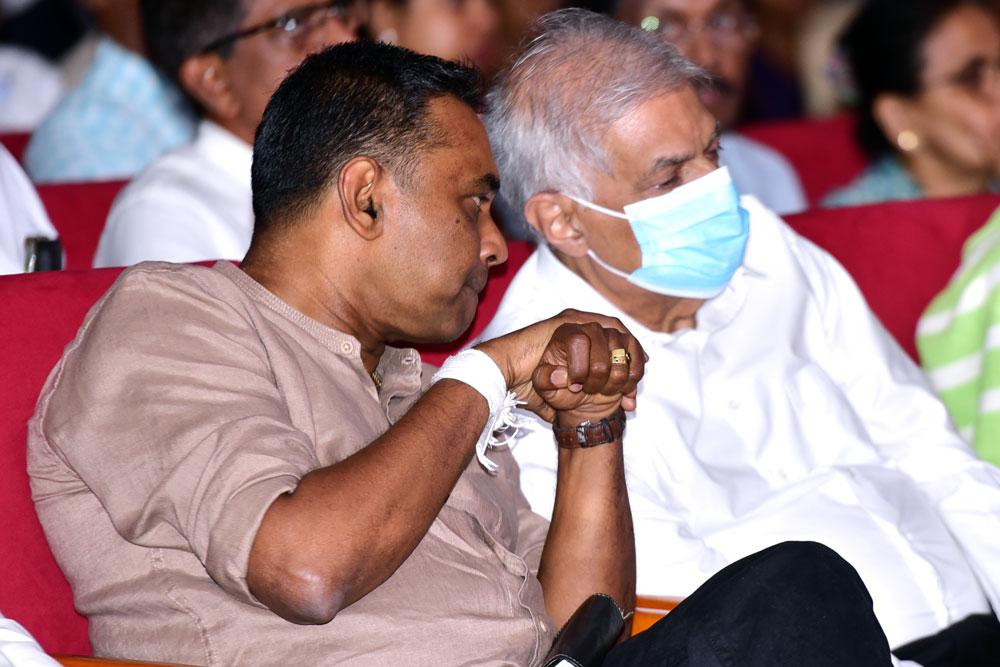
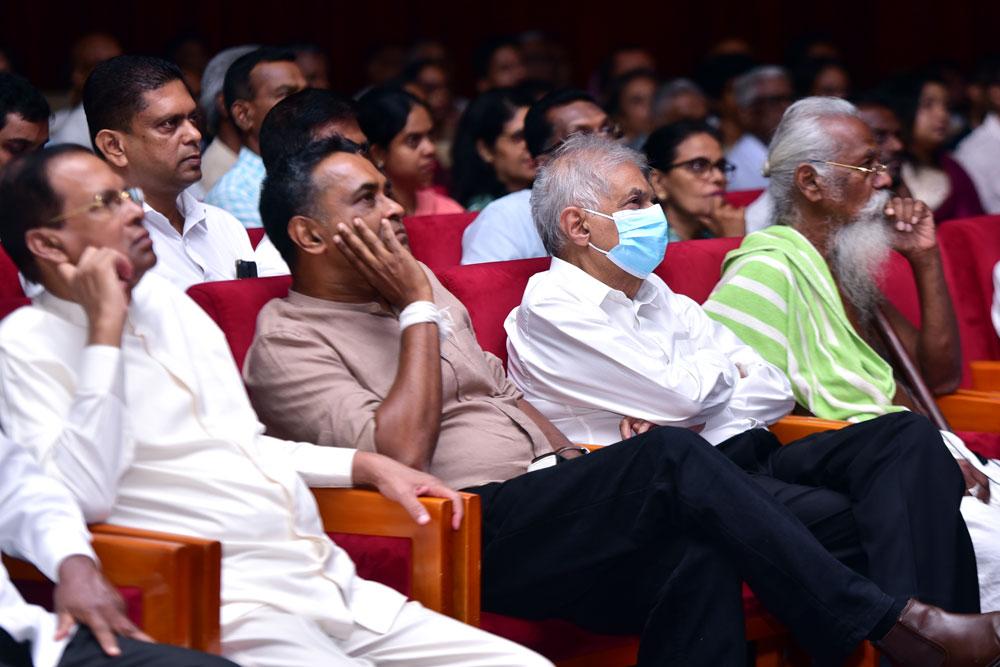
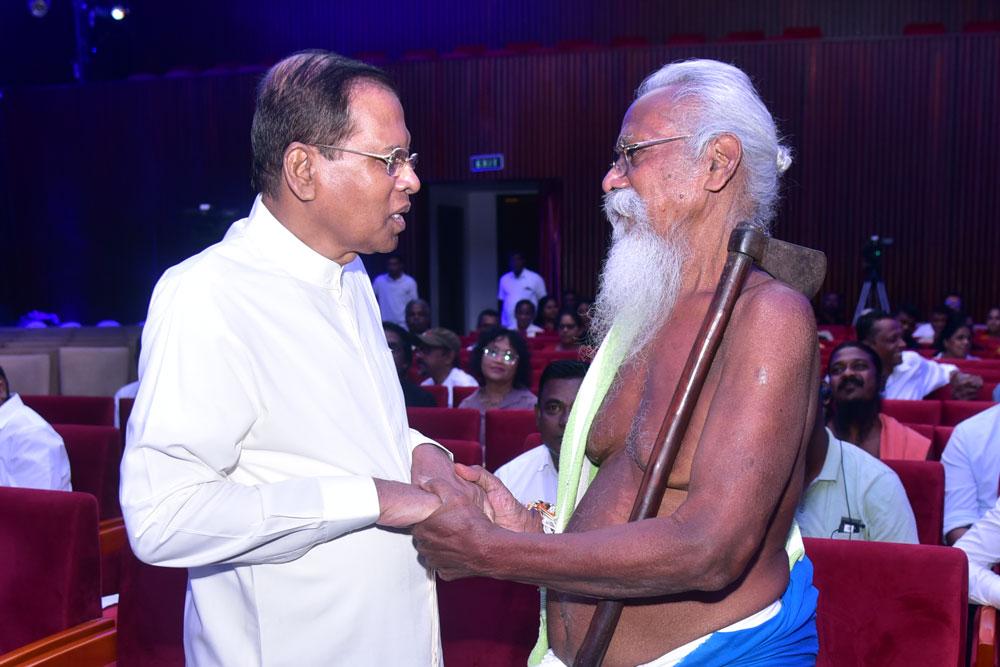
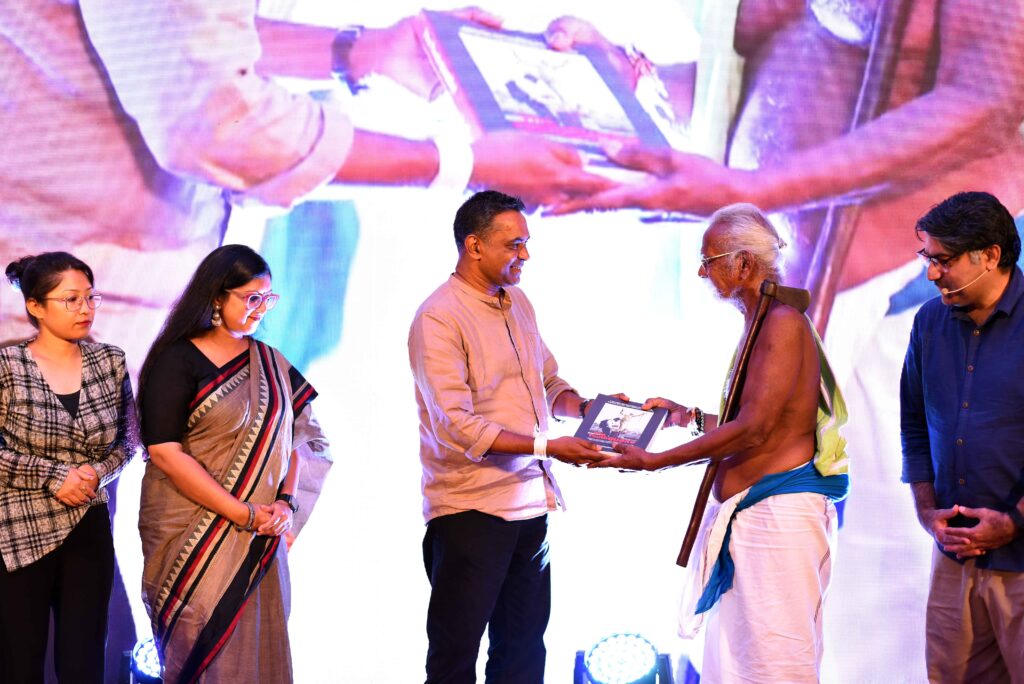
The launch was attended by Indigenous leader Uruwarige Wanniyala Wanniyala Aththo, members of the Maha Sangha, former Presidents Maithripala Sirisena and Ranil Wickremesinghe, political leaders, local and foreign academics, and other distinguished guests.
The Fourth Estate and Digital Fifth Estate
In a democratic tradition, mainstream media and professional journalism are considered the Fourth Estate, operating outside the legislature, executive and judiciary to ensure public accountability.
However, the study demonstrates that mainstream media across the Asian region has fallen under the grip of political and commercial agendas, creating a process of declining public trust in these outlets.
Within this vacuum, youth equipped with smartphones and social media networks have emerged as the Fifth Estate, building their own narratives and organising independently.
The book provides a detailed analysis of the concept of the Fifth Estate, introduced by Professor William Dutton of the Oxford Internet Institute, and examines how it provided momentum for real political transformations in the Asian context.
The authors examine this phenomenon through recent experiences in Sri Lanka, Bangladesh, Nepal, Myanmar and Indonesia.
Although the immediate triggers for protests varied from country to country, the book points out that the fundamental motivations driving youth to the streets — corruption, nepotism, lack of transparency and poor economic management — share a similar nature.
The Institutional Crisis
However, Dr. Kalansooriya raises an important limitation.
While the Fifth Estate activated through social media can challenge or overthrow old governance structures, establishing a stable institutional framework, accountability and a democratic governance system following such events remains a severe practical challenge.
The discussion highlights that although digital protests create an immediate awakening, the traditional political processes required for policy formation and institutional reform cannot be entirely bypassed.
Limits of the Digital Space and the Future of Professional Media
While social media operates as a democratic tool, the risk of public opinion becoming fragmented due to disinformation, hate speech and algorithmic content manipulation is also emphasised.
Therefore, while welcoming the growth of the Fifth Estate, the authors stress that an independent, professional and investigative Fourth Estate, operating within a legal and ethical framework, remains an essential factor for the democratic health of a nation.
With over three decades of experience in the Asia-Pacific media sector, including serving as a regional advisor for International Media Support (IMS) and holding the distinction of being Sri Lanka’s first PhD holder in journalism, Dr. Ranga Kalansooriya, together with his co-authors, presents The Youthquake as an academic and political contribution to understanding the relationship between citizens, media and governance in the digital age.
The book is a joint publication of the Media Law Forum, Sri Lanka, and International Media Support (IMS), Denmark.